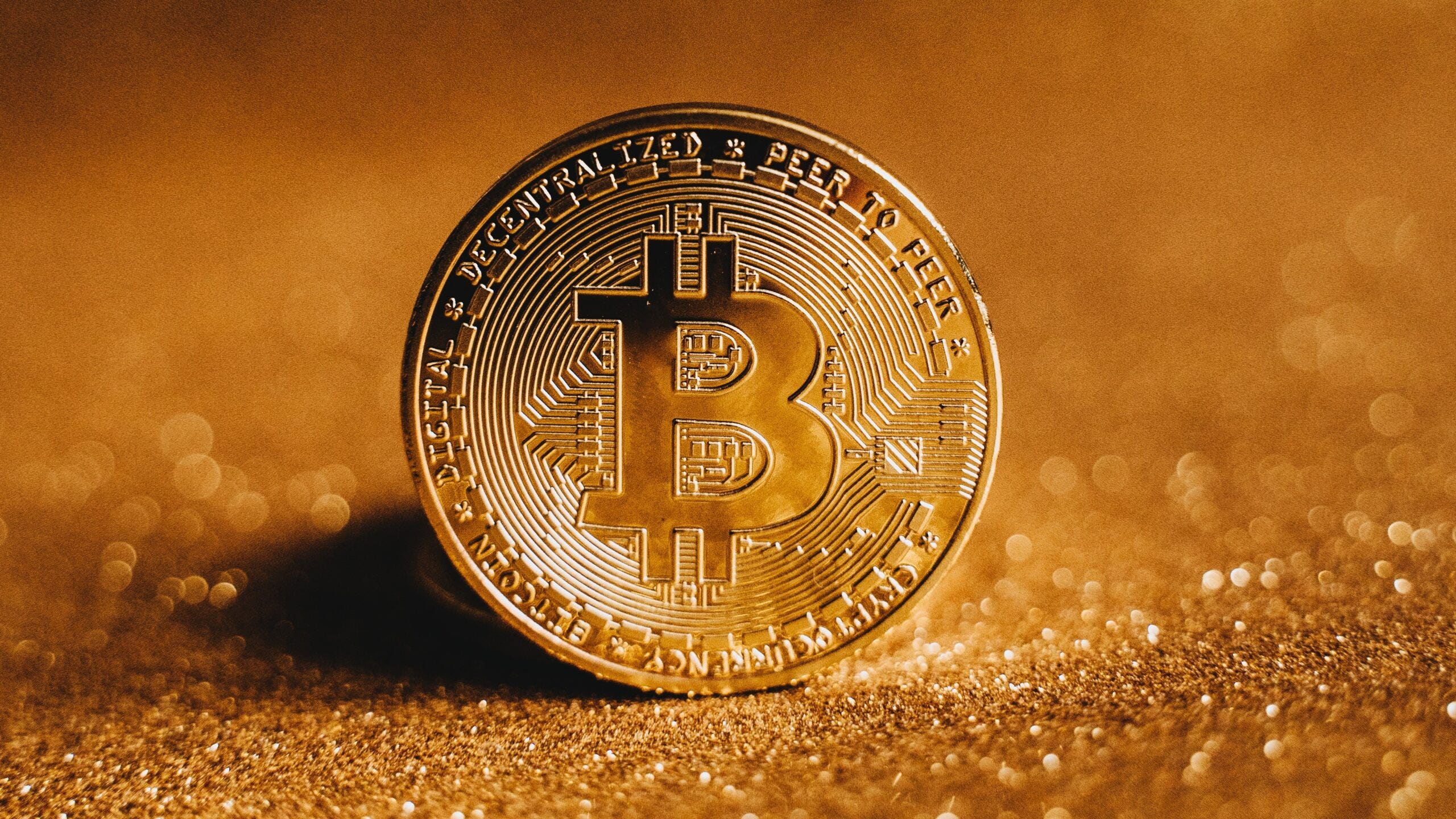
Stablecoins are digital coins made to keep the exact same value every day, usually matching one US dollar. While famous coins like Bitcoin can jump or drop thousands of dollars in a single hour, one dollar stablecoin stays worth one dollar. They give you the speed of digital money without the scary price swings.
Think of them as digital cash for the internet age. People use them to hold savings safely between trades, send money overseas fast, or earn interest on their holdings. You get all the features of blockchain tech, but your rent money does not shrink overnight by twenty percent.
Why Do Normal Crypto Prices Move So Much?
Regular crypto prices change every minute based on normal supply and demand. If a lot of people want to buy Bitcoin today, the price goes way up. If big news frightens buyers tomorrow, the price drops like a stone. There is no central bank or real asset holding those prices steady.
That wild ride makes everyday spending very tricky. Imagine trying to buy a used car for $5,000 using a regular coin. By the time you drive to meet the seller, those coins might only be worth $4,200. The seller gets upset, and your deal falls apart completely. You need something quiet and steady to make daily deals work.
That is where cryptocurrency tokens tied to real cash come in. They fix the jumpy price problem by pinning their value to familiar assets like the US dollar, gold, or the euro. One token is built to equal one real paper dollar in a bank account.

How Do Stablecoins Keep Their Value at One Dollar?
Keeping a digital coin at one exact price takes real work behind the scenes. Different companies use different methods to make sure their coin stays tied to the dollar. Here are the three main ways they do it.
1. Real Cash in a Real Bank
This is the simplest and most common setup. The company that creates the digital coin takes $100 million in real paper dollars and locks them in a normal bank account. Then, they create 100 million digital coins on the internet. Every digital coin is backed by one real paper dollar sitting in a vault.
If you want to trade your digital coin back for paper cash, you can. The company burns the digital coin and hands you the real dollar bill. Tether (USDT) and USD Coin (USDC) use this basic system. It works well as long as the company actually keeps all that money safe in the bank.
2. Backed by Other Crypto Assets
Some coins do not use regular paper dollars at all. Instead, they use other digital coins like Ethereum as collateral. Since digital assets change price fast, these systems force users to put up extra money as a safety net.
For example, to get $100 of this type of stablecoin, you might have to deposit $150 worth of Ethereum. If the value of Ethereum drops, the computer system automatically sells some to protect the dollar value. It sounds complicated, but computer code handles the whole process without relying on any single bank manager.
3. Controlled by Computer Algorithms
The third type uses smart computer code to change the supply of coins every minute. If the price slips to $0.99, the code automatically burns some coins to make them rare, pushing the price back up. If the price hits $1.01, the code creates new coins to bring the price back down.
This method does not keep real cash in a bank vault. It relies entirely on market math and trader behavior. As history shows us, this system carries much higher risk when panic hits the market.
What Can You Actually Do With Stablecoins?
These steady coins are not meant to make you rich overnight. Nobody buys them hoping they will double in value next week. Instead, people use them as practical tools for moving value around the world.
Here are the four most common ways people use them today:
- Trading digital assets safely: When traders want to take a break from wild market swings, they swap their coins for stable tokens. This keeps their gains safe without moving money back to a traditional bank.
- Sending money to other countries: Sending cash overseas through a standard bank takes three days and costs high wire fees. Sending a digital dollar token takes two minutes and costs less than a cup of coffee.
- Earning yield: Many digital platforms pay you interest for lending out your digital dollars. The rates are often higher than what standard physical banks offer on normal savings accounts.
- Using apps securely: You need a secure place to store these tokens while using digital apps. You can learn How a Crypto Wallet Works to Keep Your Money Safe so your assets stay protected from online bad actors.
Last year, my friend Maria wanted to send $300 to her sister in Colombia to help pay for college books. Her local bank wanted to charge a $35 transfer fee, and the money would arrive next Thursday. We used digital dollar tokens instead. Her sister got the full value in her phone app before we finished our lunch.
What Are the Real Risks You Need to Know?
Many beginners think stable means risk-free. That is a dangerous mistake. While the price does not jump around like Bitcoin, these coins bring their own unique set of risks that you must understand before using them.
The biggest danger is losing the dollar link, which traders call de-pegging. If people lose trust in the company behind the coin, the price can fall below one dollar. In May 2022, an algorithmic coin named TerraUSD crashed from $1.00 down to zero in just a few days. Millions of people lost their life savings because there were no real cash reserves backing it up.
Another risk comes from the companies running these projects. If a company claims it has billions of dollars in a bank, how do you know it is telling the truth? Independent auditing firms must inspect those bank accounts regularly. If a company refuses to show clear bank receipts, using their coin becomes a big gamble.
Governments are also watching these digital dollars very closely now. Big nations worry that digital dollars could weaken their own national currencies. New rules and laws could freeze certain coin accounts or force companies to change how they operate. To read more about how market rules work across different digital assets, check out USA Insight 390 for straightforward guides on tech and finance.
How Do You Pick a Safe Stablecoin?
If you decide to use these coins, picking the right one is the most important step you can take. Do not just pick the first token you see on an exchange app. Look for projects that put safety and honesty first.
First, check what backs the coin. Stick to coins backed 100% by real cash and short-term government bonds held in secure banks. Avoid experimental coins that rely on complex math equations or mystery collateral.
Second, look for regular audit reports. Good issuers hire big accounting firms to check their bank vaults every single month. They publish these reports online for anyone to see. If you cannot find recent bank proof, stay away from that coin.
Third, choose coins that have high trading volume. Popular coins like USDC are easy to buy and sell at any time. You will never get stuck holding a coin that nobody else wants to trade back for real cash.
Digital dollars offer an easy way to enter the asset world without taking on crazy price swings. They bring real convenience for global money moves, but they are only as good as the reserves standing behind them. Do you plan to hold digital dollars for payment speed, or do you prefer keeping your cash in a standard local bank account?
Comments
Post a Comment